

✓ Added to cart
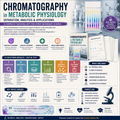


Chromatography in Metabolic Physiology | Separation, Analysis & Applications
Biology Complete – Ready-to-Use Curriculu... · from $149.90 See bundle →
Chromatography in Metabolic Physiology | Separation, Analysis & Applications
Chromatography in Metabolic Physiology is a no-prep biology unit, with differentiated worksheets, activities, slides and answer keys — print & digital, ready to teach.
How do scientists separate and identify amino acids, sugars, drugs, and metabolic products in complex biological samples?
Chromatography is one of the most important analytical techniques in modern biology, medicine, biochemistry, and pharmaceutical research. It allows scientists to separate, identify, quantify, and investigate substances that would otherwise be impossible to analyze individually.
This comprehensive high school teaching unit introduces students to chromatography through engaging laboratory applications and real-world examples. From paper chromatography and thin-layer chromatography to high-performance liquid chromatography (HPLC), students develop a deep understanding of analytical science and metabolic physiology.
The resource combines laboratory science, biology, chemistry, data analysis, and biomedical applications into an engaging STEM learning experience.
What's Included
- Approximately 60 printable pages
- Complete teaching unit
- Six learning modules
- Chromatography Fundamentals
- Paper Chromatography
- Thin Layer Chromatography
- HPLC
- Rf Value Calculations
- Chromatogram Analysis
- Amino Acids
- Metabolic Physiology
- Laboratory Diagnostics
- Assessment Preparation
Learning Topics
Module 1 – Introduction
- Separation of substances
- Everyday applications
- History of chromatography
- Mikhail Tsvet
- Medical and biological applications
Module 2 – Foundations
- Stationary Phase
- Mobile Phase
- Polarity
- Adsorption
- Partition Chromatography
- Solvent Selection
- Rf Values
Module 3 – Techniques
- Paper Chromatography
- Thin Layer Chromatography
- HPLC
- Method Comparison
Module 4 – Data Analysis
- Reading chromatograms
- Calculating Rf values
- Error analysis
- Data interpretation
Module 5 – Metabolic Physiology
- Amino acids
- Sugars
- Metabolic products
- Metabolic disorders
- Laboratory diagnostics
Module 6 – Assessment Preparation
- Application tasks
- Critical-thinking exercises
- Data analysis
- Exam preparation
Students Will Learn To
Students will learn to:
- explain chromatographic techniques,
- analyze biological mixtures,
- calculate and interpret Rf values,
- evaluate laboratory data,
- understand metabolic physiology,
- investigate biochemical processes,
- connect laboratory science to medicine,
- strengthen scientific reasoning skills.
Perfect For
- High School Biology
- AP Biology Enrichment
- Biochemistry
- Biomedical Science
- STEM Education
- Life Sciences
- Honors Courses
- Laboratory Science
Why Teachers Love This Resource
✔ real laboratory applications
✔ strong STEM focus
✔ biomedical relevance
✔ interdisciplinary learning
✔ inquiry-based activities
✔ assessment-ready lessons
✔ supports scientific literacy
✔ real-world scientific techniques
✔ critical-thinking development
✔ no-prep printable resource
FAQ
Who is this resource designed for?
Upper secondary and high school students studying Biology, Biochemistry, Biomedical Science, or Life Sciences.
Which chromatography methods are included?
Paper Chromatography, Thin Layer Chromatography (TLC), and High Performance Liquid Chromatography (HPLC).
Does the unit include laboratory applications?
Yes. Students investigate real-world laboratory techniques and diagnostic applications.
Is this suitable for AP Biology enrichment?
Absolutely. The unit provides strong analytical and biochemical extensions beyond standard biology curricula.
What makes this topic relevant?
Chromatography is widely used in medicine, biotechnology, food science, pharmaceutical development, and laboratory diagnostics.
$24.99 – buy now
PDF · instant download
🔒 Secure checkout · ♾️ reuse every yearFAQ about this resource
More Biology resources for Teaching Resources


Review: Chromatography in Metabolic Physiology | Separation, Analysis & App...
Chromatography in Metabolic Physiology | Separation, Analysis & Applications is a fully worked-out teaching resource for Biology at Teaching Resources level (See description or ask support). Its strength is that it is finished: worksheets, answer keys and teacher notes are all there, so a lesson can start without extra prep.
Teachers covering a topic at short notice, early-career teachers under planning pressure, and anyone picking up a cover lesson — and any situation where a lesson has to be ready today.
An editorial assessment of structure, scope and classroom use. It is not a customer review.